Oversharing trauma on a first date is often mistaken for deep intimacy, but it is frequently a sign of poor boundaries or a subconscious attempt to fast-track closeness. While vulnerability is necessary for connection, dumping heavy emotional history too early can create a false sense of intimacy that isn’t backed by actual stability.
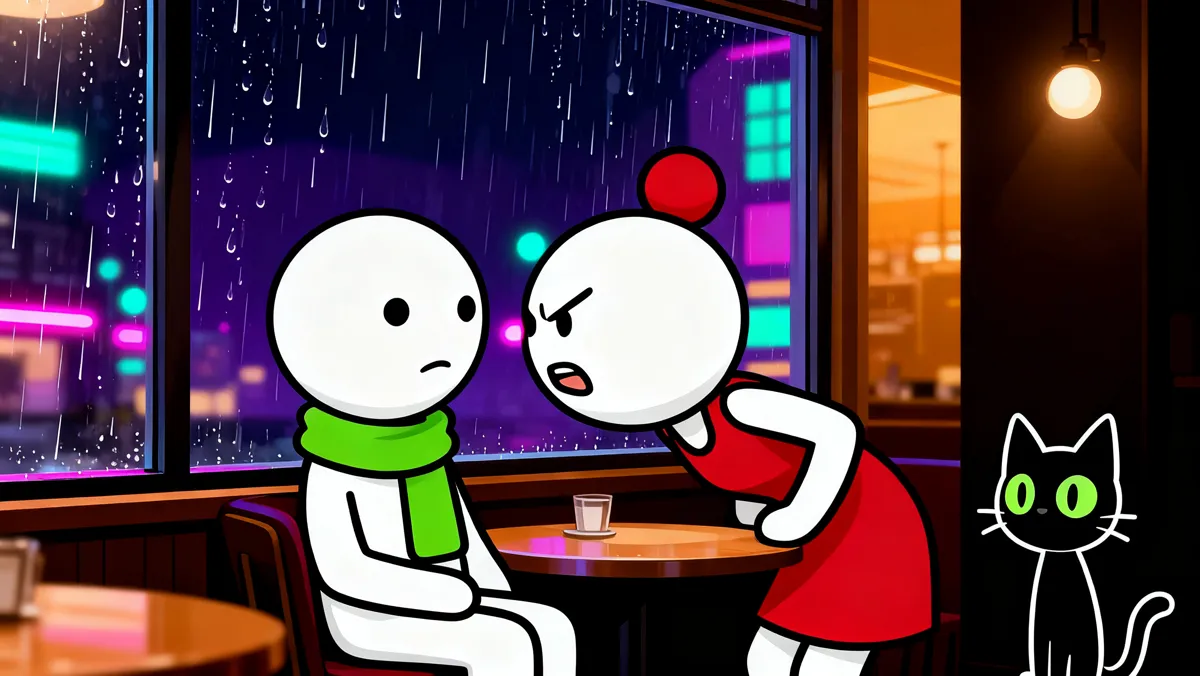
Is oversharing a sign of deep connection?
You might feel a sudden, intense “spark” when someone reveals their darkest secrets within twenty minutes of meeting. This isn’t always fate; it is often the result of fast-forwarding intimacy. When someone bypasses the light, playful stages of dating to discuss childhood wounds or toxic exes, they are skipping the foundational work of building trust.
True intimacy is earned through consistent behavior over time, not through a single, heavy confession. When someone leads with their trauma, they are often seeking validation rather than connection. They aren’t showing you who they are; they are showing you what has happened to them. There is a massive difference between being vulnerable and being uncurated.
The danger of the trauma bond
When you listen to someone’s heavy history on day one, you may fall into the trap of trauma bonding. This happens when the shared emotional intensity creates a chemical rush that feels like love, but is actually just high-stakes adrenaline. You feel like you “get” them because they have been so raw with you, but you don’t actually know if they are compatible with your lifestyle, values, or temperament.
This pattern often leads to an anxious-avoidant trap. The person oversharing often has an anxious attachment style, using intense disclosure to secure your interest quickly. If you respond by becoming their emotional caretaker, you have already shifted the dynamic from “dating” to “therapy,” which is a difficult pattern to break once the honeymoon phase ends.
How to spot trauma dumping vs. healthy vulnerability
Healthy vulnerability is a staircase; trauma dumping is an elevator. Healthy vulnerability involves sharing small, meaningful truths that allow the other person to decide if they want to go deeper. It respects the pace of the interaction and leaves room for the other person to contribute.
Trauma dumping, however, is a one-way street. It is characterized by:
- Lack of reciprocity: They talk about their pain, but don’t ask about your life.
- Intensity mismatch: The subject matter is disproportionate to the amount of time you have known each other.
- Emotional demand: They expect you to provide significant emotional labor or “fix” their feelings immediately.
- Weaponized vulnerability: They use their past struggles to excuse current bad behaviors (e.g., “I’m sorry I’m late, my childhood taught me to be disorganized”).
Maintaining your power during heavy conversations
If you find yourself in a situation where a date is unloading their life story, you do not have to become their unpaid counselor. You can acknowledge their experience without absorbing their chaos. This is about maintaining your own emotional frame.
If you feel pressured to “fix” them or feel an overwhelming need to soothe them, you are losing your center. Instead of diving into the deep end, use neutral, observant language. This keeps the interaction grounded in the present moment rather than the heavy past. You are there to see if they fit into your life, not to see if you can fit into the gaps left by their previous lives.
FAQ
Is it bad to be vulnerable on a first date?
No, but there is a threshold. Vulnerability should be a tool for connection, not a way to bypass the necessary stages of getting to know someone. If you share too much too soon, you risk overwhelming a potential partner before a foundation of trust exists.
How can I tell if they are being genuine or just seeking attention?
Watch their behavior over time. A person who is genuinely vulnerable will show consistency between their words and their actions. A person seeking attention through trauma dumping will often exhibit intermittent reinforcement, giving you intense emotional highs followed by periods of distance or unavailability.
What should I do if a date starts oversharing?
Acknowledge the statement briefly and then steer the conversation back to the present. You can say, “That sounds like a lot to navigate. I’d love to hear more about that later once we know each other better; for now, tell me about…” This sets a boundary without being cold.
Decode your texts at https://darkoapp.com.